How to Use Massachusetts State Resources and Mapping Tools to Find Productive Fishing Area
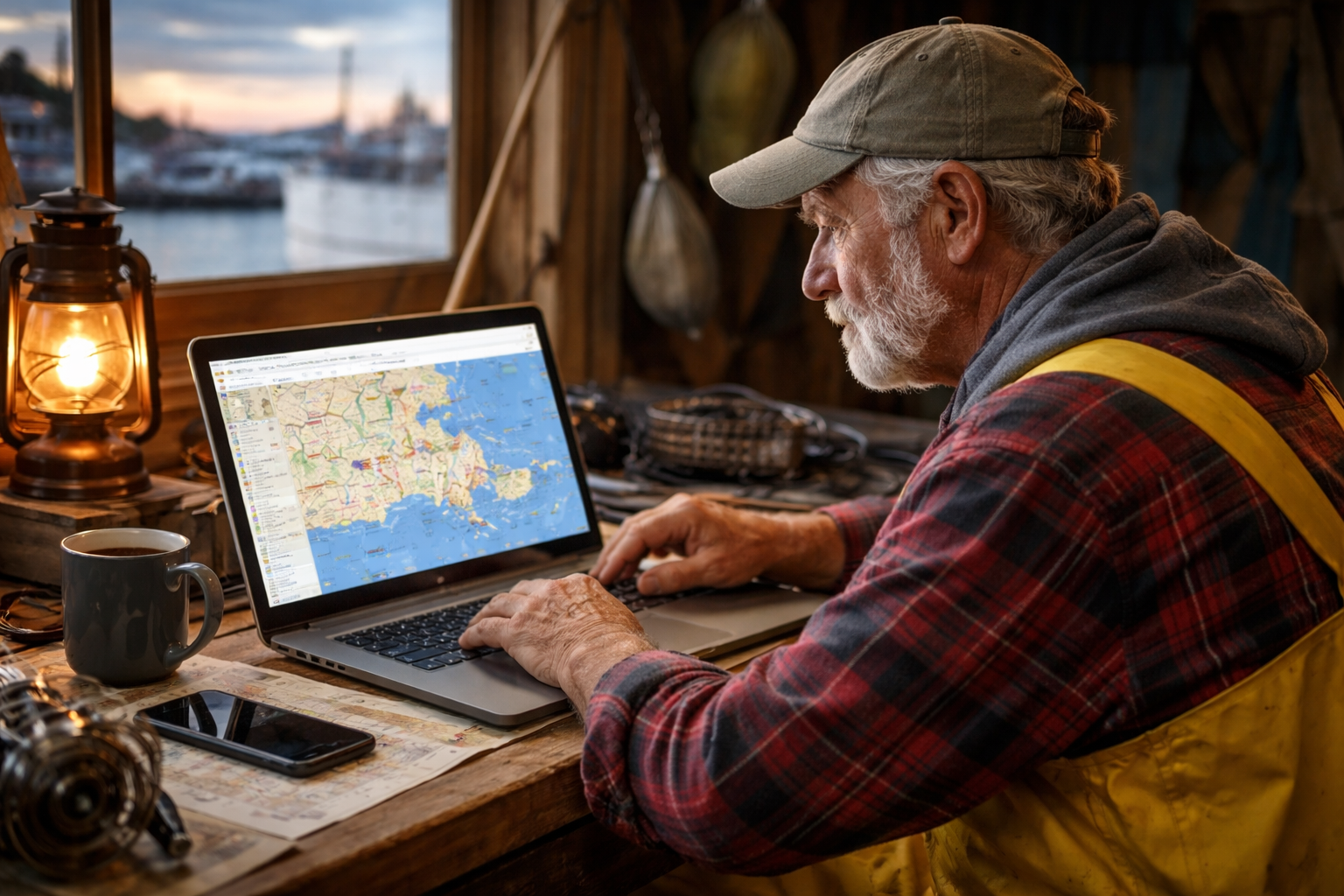
Scouting starts long before your boots hit the shoreline, get ahead of the tides by digitally scouting an area before you visit.
If you are anything like me, the difference between a good fishing spot and a great one often comes down to how hard you worked to find it and how wild and untouched it feels once you arrive. Long before your boots hit the shoreline, successful fishing often begins at home, studying maps, reports, and small details that many anglers overlook. Massachusetts offers a surprising amount of public data for those willing to dig into it, you just need to know where to look and how to use it.
This post will help you develop a process for finding isolated Massachusetts fishing spots that produce memorable catches year after year.
Using Massachusetts State Resources to Scout Fishing Locations
The resources I use while scouting online largely depend on the species I intend to target. When targeting trout, I rely on the state-provided interactive map along with the trout stocking report. The interactive map includes a cold-water resource feature that allows you to view spring-fed waterways.
This is advantageous because trout thrive in cold-water environments where they can overwinter and, in some cases, sustain wild or even native populations where dams and barriers are limited. The trout stocking report and map are also excellent resources for anglers looking to fish recently stocked waters.
In some seasons, Massachusetts participates in fish exchanges with neighboring states, including the stocking of species such as juvenile pike sourced from places like New Jersey. These stocking events are publicly documented, and although it can take several years for a pike to reach trophy size, this information allows anglers to plan ahead and identify waters that may hold large predatory fish both now and in the future.
Finding Trophy Bass Water Using Public Data
If you are targeting trophy freshwater bass, several tools can also be beneficial. The same interactive mapping tool allows users to filter layers that show diadromous fish such as rainbow smelt and river herring. Both species serve as prime forage and help fatten up pre-spawn bass in the spring.
Another favorite meal for large bass is stocked trout. Using the stocking report can help identify waters where bass may be feeding on recently introduced trout. This tactic works especially well during the spring stocking period, but it can also provide clues throughout the season when searching for a consistent big-bass fishery.
Digital Mapping Tools for Pre-Scouting Fishing Areas
Once you have identified a few areas that spark your interest, additional digital tools can help you pre-scout those locations before ever leaving home.
Go Fish MA is a valuable mapping resource that provides information ranging from water depth to boat access points across many locations in the state.
OnX is a subscription-based application that helps identify property boundaries and access points, making it a valuable tool when scouting unfamiliar water. It can also help locate boat ramps and potential parking areas near less obvious fishing spots. Recently, OnX expanded its platform to include dedicated fishing and off-road versions of the app, adding features tailored specifically to those users.
Another powerful scouting tool is Google Maps, particularly Street View. I use this feature to check parking restrictions and signage before visiting an area. There is nothing worse than investing time and fuel only to arrive and find a no-parking sign at your intended access point.
Combining Tools to Discover New Fishing Spots
Each resource mentioned above serves a different purpose. Individually, they may not reveal exactly where fish are located, but when combined and applied creatively, they form a powerful system for anglers looking to uncover hidden Massachusetts fishing locations that consistently produce quality fish. Learning to research water effectively builds confidence and independence, allowing you to spend less time guessing and more time fishing productive water. And when a plan built from your own digital scouting finally leads you to a quiet stretch of shoreline or an overlooked piece of water holding fish, the reward goes beyond the catch itself, it’s the satisfaction of discovering a hidden gem entirely on your own.