
Spring Trout Stocking in Massachusetts: A Beginner-Friendly Fishing Guide
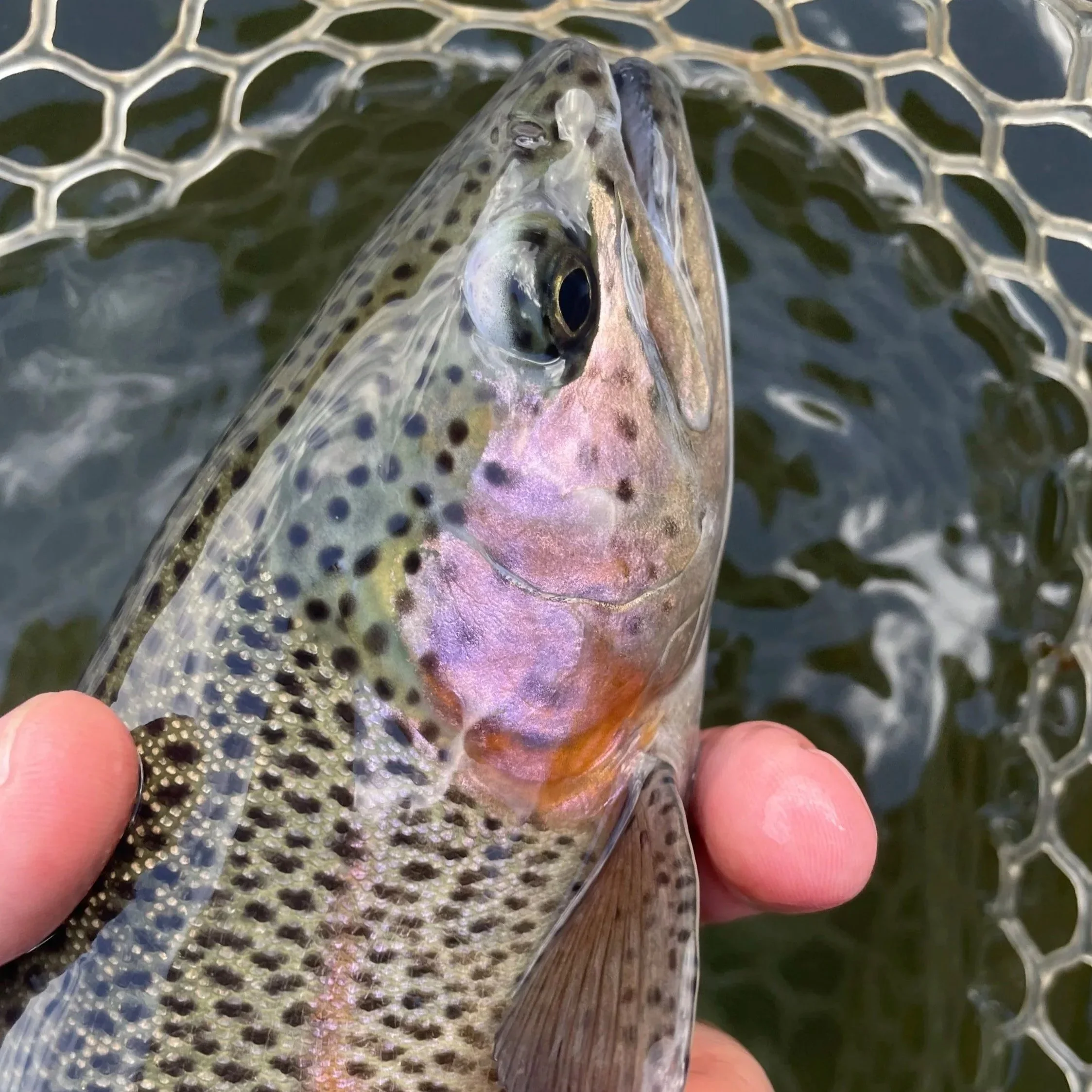
Rainbow trout are being stocked in your favorite Massachusetts rivers, ponds and streams, are you ready?
The stocking trucks are on the move — and you should be too! Each spring, the state of Massachusetts stocks ponds, rivers, streams, and lakes with thousands of hatchery-raised trout. These stocked trout provide excellent opportunities for family outings as well as for experienced anglers looking to land their first open-water catch of the season. Before heading out onto a chilly pond, there are a few key considerations to improve your chances of success.
Know Where the Stocked Trout Are
One of the most important factors for maximizing your fish-to-time-on-the-water ratio — especially during Massachusetts’ cold and windy March-to-May months — is knowing which waters have been stocked. Anglers can track recent trout stockings by species using the Massachusetts Trout Stocking Report. Targeting recently stocked waters ensures the best early-season trout action.
Lure Tips for Hatchery-Raised Trout
Once you’ve chosen a waterbody with stocked trout, a few simple lure techniques can make your trip more productive. Match your lure depth to the water column: spoons that are too heavy will snag the bottom, while those that are too light won’t reach the right depth. Hatchery-raised trout are primarily fed suspended and floating pellet food prior to release, so after stocking, focus on that part of the water column.
Another characteristic of hatchery trout is territorial aggression, they often bite one another’s fins. This behavior can be an advantage: a slow presentation with a 2–4 inch jerkbait will frequently provoke attacks from other trout, particularly in low-light periods at sunrise and sunset.
Family-Friendly Setups
For family fishing trips, using a couple of rods with inflated worms or PowerBait presented from the bottom up works well. Use a sliding sinker and just enough buoyancy to keep the hook about 1–2 feet off the bottom, depending on water depth. Suspended baits imitate what stocked trout have been eating in the hatchery, allowing for easy, bait and wait fishing — simply place the rod in a holder and watch the line for bites.
Handling Trout for Catch-and-Release
When you catch a trout, proper handling is critical if you plan to release it. Use a net with rubber mesh and keep the fish in the water while handling. If you don’t have a rubber net, try to avoid squeezing the trout despite their nature to jump and wiggle. Also make sure to handle these fish with a wet hand to avoid removing their slime coating. Trout season offers a perfect opportunity to teach kids about ethical harvest, as well as catch-and-release techniques, and why it isn’t necessary to bring every fish that we catch home.